
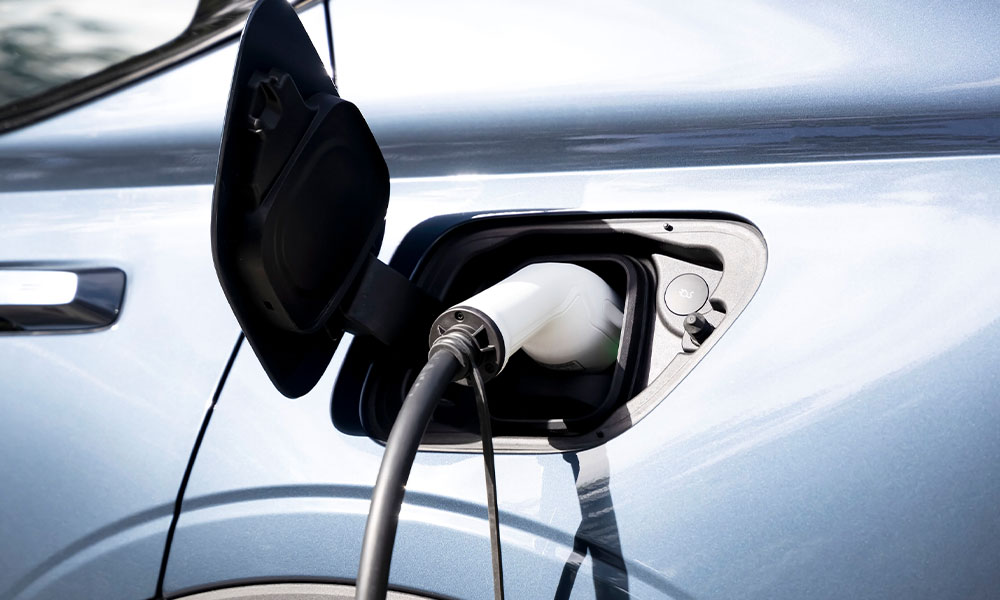
UK electric vehicle fleets: Are fuel cards still relevant in the EV era?
October 11th, 2024
As the UK government pushes forward with its goal to phase out new petrol and diesel vehicles by 2030, businesses across the country are increasingly turning to electric vehicles (EVs) for their fleets. This shift is driven by the need to reduce carbon emissions, lower fuel costs, and comply with evolving regulations. But as fleets transition to EVs, one question remains: Are fuel cards still relevant in the EV era?
The short answer is yes – fuel cards are evolving to meet the needs of electric vehicle fleets and remain a valuable tool for businesses.
The rise of EV charging cards
Many fuel card providers are now offering EV charging cards, which give employees access to public charging points. These cards allow businesses to manage the costs of charging their EV fleets at various locations.
In some cases, fuel card providers have partnerships with fuel stations that also feature EV chargers, allowing them to offer discounted rates. This gives businesses the opportunity to save money on public charging infrastructure, much like they do with traditional fuel.
Streamlining EV charging
EV charging cards provide the same benefits of centralized expense tracking that traditional fuel cards offer. Fleet managers can monitor charging activity across the fleet, track costs, and set spending limits, all from a single platform.
In addition, charging cards provide detailed reports on energy consumption, charging locations, and driver behaviour. This allows businesses to better manage their electricity costs and ensures that charging is done in the most cost-efficient manner.
Hybrid fleets: fuel and EV combined
During the transition to fully electric fleets, many UK businesses are operating hybrid fleets—a combination of petrol/diesel vehicles and EVs. In these cases, dual-purpose fuel cards are becoming increasingly popular.
These hybrid fuel cards give access to both petrol stations and EV charging points, streamlining the process for fleet managers who would otherwise need separate solutions for each type of vehicle. This not only simplifies fleet management but also reduces administrative costs and provides a unified way to track all fuel and energy expenses.
Sustainable fleet management
Fuel cards also play an important role in helping businesses transition smoothly to more sustainable fleet management practices. By tracking fuel usage, emissions, and energy consumption, fuel and EV charging cards offer valuable insights into the environmental impact of a fleet. This data helps businesses set and meet their sustainability goals as they reduce their carbon footprint.